
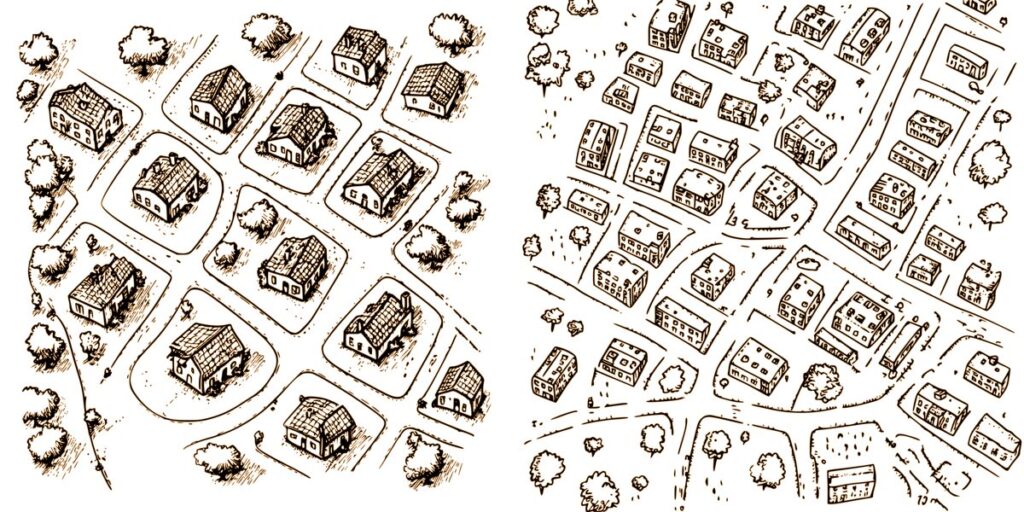
Welcoming You to Blackberry Countryside
Tucked away in the western reaches of Aurora, Blackberry Countryside is a neighborhood that moves at the reprieve of the prairie wind — a gentle landscape with deep heritage and a quietly proud community. For longtime residents and newcomers alike, Blackberry Countryside is more than a collection of cozy homes and winding streets: it’s a living chronicle of Aurora’s rural roots, a symbol of the city’s steady evolution, and a testament to neighborly spirit.
The Origins: From Farmland to Friendly Neighborhood
The story of Blackberry Countryside begins long before the words “Aurora suburb” entered anyone’s vocabulary. In the late 1800s through the early 20th century, this area was primarily sweeping fields and working farms, nourished by the fertile soils bordering Blackberry Creek. Early settlers, many from German and Scandinavian backgrounds, tended these fields, raising crops and families with equal dedication. The land’s natural abundance, especially the brambles of wild blackberries snaking across the countryside in summer, gave rise to the area’s distinctive name.
As Aurora expanded westward in the post–World War II decades, dreams of country living merged with suburbia. By the late 1970s, developers began to see the gentle countryside not merely as farmland, but as the ideal canvas for a neighborhood: Blackberry Countryside. Even as new homes appeared, those blackberry bushes lingered in patches, a sweet reminder of what came before.
How Blackberry Countryside Got Its Name
Unlike some suburban developments branded with fanciful names, Blackberry Countryside is firmly rooted in local geography. The heart of the neighborhood is crossed by Blackberry Creek, an ancient waterway named for the brambly fruit that once bloomed in abundance. Kids in the early years of the neighborhood often recall picking blackberries along undeveloped lots — a rite of passage and a nod to the area’s agrarian past.
The “Countryside” part of the name pays tribute to the wide-open space that defined the land until fairly recently. Even today, the neighborhood retains a relaxed, semi-rural character, with mature trees, generous yards, and a casual charm that feels almost like a village apart.
Key Historical Milestones
- Late 1970s–1980s: The initial waves of development along Mackenzie Drive and Prairie Ridge Drive marked the transition from farmland to family homes. The first clusters of houses featured classic ranch and split-level designs, with family-friendly layouts and big backyards.
- 1990s Expansion: As Aurora’s west side grew, so did Blackberry Countryside. New cul-de-sacs and connecting streets, like Coventry Road and Doral Drive, multiplied the sense of community while preserving much of the original open feel.
- The School Connection: Young families flocked to the area, drawn by the nearby Washington Middle School and Freeman Elementary, both of which helped establish the human fabric of the neighborhood.
- Community Building: Block parties, holiday parades, and the creation of neighborhood associations in the late ’90s cemented Blackberry Countryside’s welcoming culture.
Notable Landmarks and Institutions
- Blackberry Crossing Park: Nestled near the center of the neighborhood, Blackberry Crossing Park symbolizes local life: shaded picnic tables, a cheerful playground, and open grassy spaces where kids can kick a soccer ball or neighbors mingle at sunset.
- Historic Farmhouses: Along Galena Boulevard, a handful of original farmhouses have been preserved and lovingly restored. These landmarks serve as living museums — physical reminders of an era when much of the area was a patchwork of cornfields.
- St. Olaf Lutheran Church: While technically just outside the boundaries, St. Olaf has been a spiritual anchor for many Blackberry Countryside families since the early days, hosting food drives, fall festivals, and community gatherings.
The Neighborhood Today: Evolving With Aurora
Blackberry Countryside has certainly grown, but it has done so on its own terms. Here, modern amenities and the comforts of suburbia blend with the old country feel.
- Diverse Generations: The neighborhood is woven from multigenerational threads; you’ll find young couples buying their first home and retirees who recall when Prairie Path wasn’t paved.
- Nature Trails: A highlight for many is the scenic trail that follows part of Blackberry Creek, running parallel to Blackberry Drive and offering birdwatchers and joggers a breath of tranquility in the midst of daily life.
- Community Spirit: Perhaps most notable is the enduring sense of neighborliness. Residents organize everything from garden swaps in the spring to holiday lighting contests in winter. Whether it’s chatting with a friend at Panera on Galena Boulevard or helping a neighbor with snow shoveling, connections here run deep.
Looking Toward the Future
As Aurora continues to develop and change, so too does Blackberry Countryside. Yet, the neighborhood remains rooted in its heritage. Efforts to preserve green spaces and historic homes reflect a strong belief in honoring the past while embracing the future.
For newcomers, Blackberry Countryside offers something increasingly rare: a true sense of place, shaped by history, nature, and community pride. And for those who have called this neighborhood home for decades, it’s still the piece of countryside where the wild blackberries once grew — and where neighborly warmth blooms perennial.
Why We Love Blackberry Countryside
- Deep heritage and a unique local story
- Beautiful parks and preserved open spaces
- Welcoming, close-knit community feeling
- The blend of old and new, country and city
If you find yourself wandering the tree-lined streets of Aurora’s west side, keep an eye out for the subtle charm of Blackberry Countryside. Listen for the laughter in Blackberry Crossing Park, spot a 19th-century farmhouse tucked behind oaks, and enjoy a hint of blackberry in the summer air. It’s history in motion — and a wonderful place to call home.